









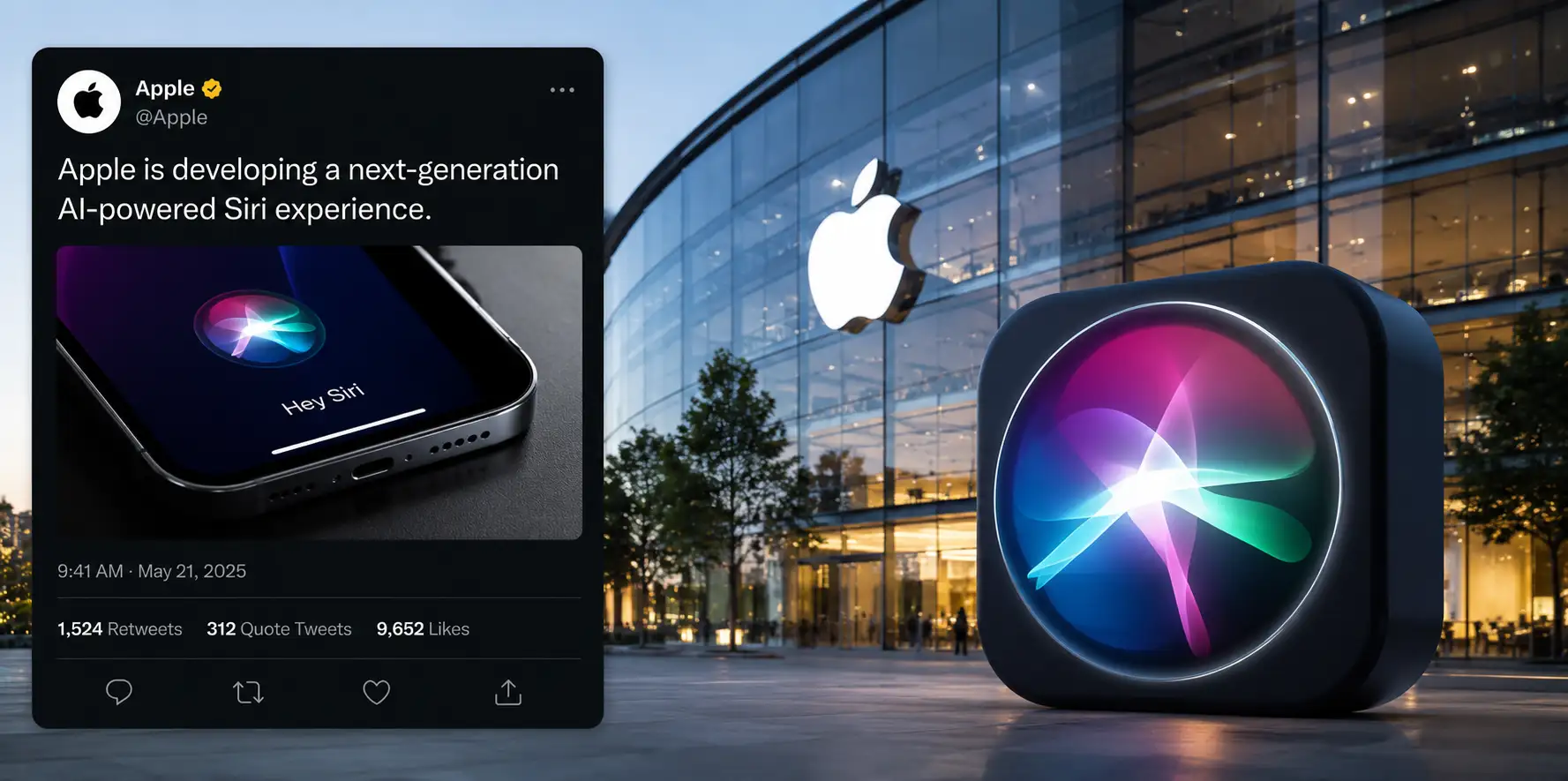
Artificial intelligence has quickly become the biggest battleground in the technology industry. Over the past two years, nearly every major tech company has introduced AI-powered tools designed to make everyday tasks faster, smarter, and more personalized. From intelligent chatbots to AI-assisted photo editing and real-time language translation, consumers are beginning to expect their devices to understand them better than ever before.
That growing expectation naturally leads to one question many Apple users have been asking: What comes next for Siri?
While Apple has already introduced new AI capabilities across its ecosystem, many industry analysts believe the company’s long-term vision includes making Siri far more intelligent, conversational, and useful than the digital assistant users have known for years. Whether you’re setting reminders, searching for files, controlling smart home devices, or composing messages, a more advanced Siri could eventually transform how people interact with Apple products.
The AI Race Is Moving Fast
Artificial intelligence is no longer just another technology trend. It has become one of the biggest drivers of innovation across the entire industry.
Companies including Google, Microsoft, OpenAI, and Meta continue investing billions of dollars into AI research and development. Every few months, new features appear that allow users to create images, summarize documents, answer complex questions, and automate repetitive work within seconds.
Apple has traditionally taken a different approach. Instead of rushing new technologies to market, the company often focuses on refining features before making them widely available. This philosophy has helped Apple build a reputation for delivering products that prioritize reliability, privacy, and seamless user experiences.
As AI becomes increasingly integrated into everyday life, many observers expect Apple to continue evolving Siri with the same careful strategy.
Why Siri Still Matters
When Siri debuted in 2011, it was one of the first mainstream voice assistants available on a smartphone. At the time, asking your phone to send a text message, make a phone call, or check the weather felt futuristic.
Since then, digital assistants have become far more common. However, user expectations have also changed dramatically.
Today, people want assistants capable of understanding context, remembering previous conversations, handling multi-step requests, and providing more natural responses.
Instead of asking separate questions, users increasingly expect conversations that feel continuous and intelligent.
That shift represents one of the biggest opportunities for Siri’s future development.
Smarter Conversations Could Change Everything
One area where AI has advanced rapidly is natural language understanding.
Modern AI systems can understand more complex requests, recognize follow-up questions, and generate responses that sound much more conversational than earlier voice assistants.
Imagine asking Siri to organize an upcoming business trip.
Rather than simply opening your calendar, a future AI-powered assistant could review your schedule, suggest flight times, recommend hotels you’ve used previously, check weather forecasts at your destination, and prepare a travel checklist—all through a natural conversation.
These types of interactions represent the direction many experts believe digital assistants are heading.
Personalization Without Sacrificing Privacy
Privacy has always been central to Apple’s identity.
Unlike many cloud-based AI services, Apple has increasingly focused on performing AI processing directly on devices whenever possible. This approach helps keep sensitive information on users’ iPhones, iPads, and Macs instead of sending everything to remote servers.
As AI capabilities improve, balancing intelligence with privacy will remain an important challenge.
Consumers want smarter assistants, but they also expect their personal messages, photos, and documents to remain secure.
Apple’s emphasis on on-device processing could become one of its strongest competitive advantages if future AI features continue delivering powerful results while protecting user data.
Productivity Could Receive a Major Boost
A more capable Siri could also reshape workplace productivity.
Professionals often switch between emails, calendars, notes, documents, and messaging apps throughout the day. AI could simplify many of these repetitive tasks.
Instead of manually organizing meetings or summarizing lengthy conversations, users might simply ask Siri to prepare daily briefings, identify urgent emails, generate meeting notes, or draft professional responses.
Students could receive assistance organizing research, while creative professionals might use voice commands to manage projects more efficiently.
The goal would not be replacing human decision-making but reducing time spent on routine administrative work.
Smarter Integration Across Apple Devices
One of Apple’s greatest strengths has always been its ecosystem.
The ability for iPhones, Macs, iPads, Apple Watches, and AirPods to work together creates a seamless experience for millions of users worldwide.
A next-generation Siri could make these connections even more powerful.
For example, someone beginning a project on their Mac could ask Siri to continue working from an iPad while traveling. Notifications, reminders, documents, and communications could remain synchronized with minimal user effort.
This level of integration could help distinguish Apple’s AI experience from competitors focused primarily on standalone applications.
Developers May Benefit Too
If Apple continues expanding AI capabilities, developers could gain access to new tools for building smarter applications.
AI-powered features such as intelligent search, automated content summaries, voice interaction, image recognition, and contextual recommendations could become easier to integrate into third-party apps.
This would allow developers to create experiences that feel more personalized while maintaining consistency across Apple’s ecosystem.
As software evolves, strong developer support will remain essential for delivering meaningful AI experiences to users.
Challenges Still Remain
Building an advanced AI assistant is far from simple.
Large AI models require significant computing power, ongoing training, and careful safeguards to reduce inaccurate or misleading responses.
Companies must also balance speed, reliability, privacy, and transparency while ensuring AI remains helpful rather than intrusive.
Apple’s cautious approach means new AI capabilities may arrive gradually instead of all at once, allowing the company to refine features before expanding them more broadly.
Looking Ahead
Artificial intelligence is changing how people work, communicate, and interact with technology. Voice assistants are likely to play an even larger role as AI continues evolving.
Whether helping users stay organized, improving productivity, or enabling more natural conversations, a smarter Siri has the potential to become much more than a simple voice assistant.
While only Apple knows exactly what future updates will include, industry trends suggest that AI will remain one of the company’s most important areas of innovation in the years ahead. For millions of Apple users, that could mean devices that are not only faster and more powerful but also better at understanding everyday needs and making technology feel more intuitive than ever before.